Highlights
- UNICEF and partners delivered essential services to over 10 million people (52 per cent children) since January 2025 through health, education, WASH, nutrition, child protection, social protection and social and behavioural change interventions.
- Over 1.9 million internally displaced persons and over 1.2 million Syrian refugees have returned to their areas of origin or other locations across Syria. Basic social services and livelihood opportunities are currently overstretched and unable to meet the growing needs of returnees and host communities.
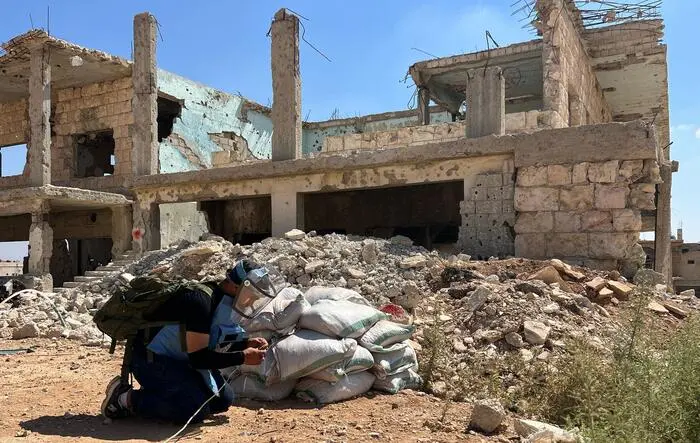
- Since December 2024, at least 813 explosive ordnance incidents have occurred, killing 156 children and injuring 383, posing a persistent threat to children’s safety and well-being.
- In October, UNICEF and partners supported over 1.6 million children through the Ministry of Health-led measles, mumps, and rubella vaccination campaign.
- UNICEF Syria’s Humanitarian appeal is only 35 per cent funded. Sustained support is needed for life-saving humanitarian operations to protect vulnerable children across Syria.
Syrian Arab Republic: Humanitarian Response in Southern Syria – Situation Report No. 3 (as of 11 November 2025)
HIGHLIGHTS
- The security situation across southern Syria remains unpredictable, with sporadic incidents disrupting mobility and access, particularly in rural areas.
- Two civilians were killed, and thirteen others were injured due to ten Explosive Ordnance related incidents in southern Syria during the reporting period.
- UN and partners continue responding to the needs of affected people in the south despite funding shortages that limit operations to small-scale activities and leave major gaps in assistance.
- Bread shortages continued in October, with public bakeries closing due to flour gaps. WFP delivered over 120,000 food rations and 2,663 metric tons of wheat flour to mitigate shortages.
- Telecommunications disruptions linked to fuel shortages affected hospitals, government offices in Salkhad District and southern rural areas in As-Sweida.
- Schools reopened in As-Sweida on 4 November, though many of them need urgent rehabilitation.
- Worsening winter conditions, unsafe shelters, and economic hardship are heightening GBV risks and limiting access to GBV services, requiring urgent strengthened outreach and protection measures.
SITUATION OVERVIEW
The humanitarian situation in southern Syria remains unpredictable, with insecurity, displacement, and service disruptions continuing to affect communities across As-Sweida, Dar’a, and Quneitra governorates during the reporting period. Tensions and sporadic violence have further restricted civilian movement along key routes, complicating access to essential services and humanitarian operations.
In As-Sweida, localized clashes and heightened insecurity have disrupted daily life and contributed to growing protection concerns. During the first week of November, several communities in western and northern Quneitra countryside witnessed alleged Israel Defence Forces (IDF) incursions, including temporary checkpoints and fortification works along the ceasefire line. These developments have heightened tensions and restricted civilian movement in affected areas. Meanwhile, Explosive Ordnance (EO) contamination remains a critical concern across southern Syria for internally displaced persons (IDPs) and host communities, during the reporting period, 10 EO-related incidents were recorded across the South, with two people killed including a child and thirteen injured. Since December 2024 and as of 11 November, 115 EO-related incidents have been recorded in the region, resulting in 216 casualties, with Dar’a and As-Sweida accounting for the majority of them. Mine Action AoR partners continue to prioritize EO risk education, survey and clearance, but access and resource constraints limit progress.
Access constraints in southern Syria remain a concern, with few incidents reported mainly along the Damascus–As-Sweida route, a critical corridor for civilian movement and humanitarian operations. Armed attacks on passenger vehicles during October resulted in casualties and injuries, prompting humanitarian convoys to adjust movements and occasionally remain in As-Sweida overnight for security reasons. Delays in humanitarian deliveries are primarily linked to bureaucratic, operational, and logistical factors rather than insecurity. These constraints, combined with ongoing localized violence, continue to affect access to essential services outside As-Sweida, including hospitals and government facilities in Damascus. Between 12 October and 9 November, ten humanitarian convoys carrying UN aid and other assistance facilitated by SARC reached As-Sweida, Dar’a, and Rural Damascus governorates. Partners delivered food assistance, health and nutrition supplies, and essential medicines to health facilities. WASH actors provided fuel, water tanks, and well rehabilitation materials, while UNHCR and ICRC distributed winter NFIs and solar lamps to vulnerable families.
Disclaimer
UN Office for the Coordination of Humanitarian AffairsTo learn more about OCHA’s activities, please visit https://www.unocha.org/.