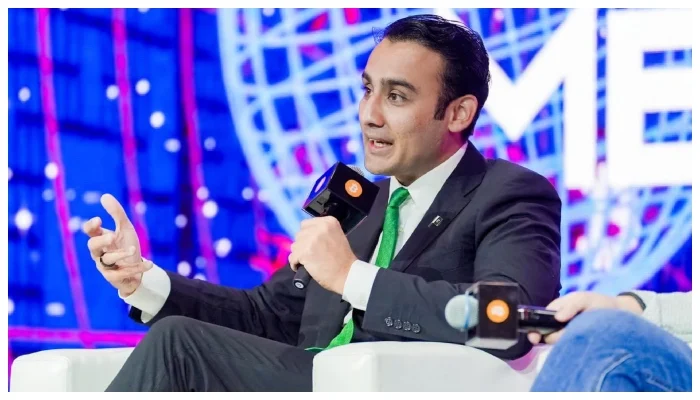
Pakistan’s Minister of State for Crypto and Blockchain, Bilal Bin Saqib, warned that AI adoption faces major hurdles due to institutional resistance. He stressed that governance needs a digital revolution to prevent systemic collapse. Digital infrastructure must be embraced fully for national security and progress.
The minister said AI will deeply impact jobs, freelancing, call centers, and nearly every sector of the economy. He urged businesses and government to prepare for significant technological changes. These transformations, he added, will define Pakistan’s future competitiveness.
Read more: Pakistan launches AI policy to create 3 million jobs
Bilal Bin Saqib highlighted that weaknesses in the education system are a key barrier to adopting AI effectively. He emphasized the need to train skilled professionals and modernize curricula for technology readiness. Without reform, Pakistan risks falling behind global peers in innovation.
He also stressed the importance of adopting sovereign computing systems to strengthen digital independence. The minister warned that delayed adoption could slow economic growth and undermine national security. He urged institutions to remove resistance and accelerate reforms.
Read more: Pakistan launches national AI policy
In conclusion, Bilal Bin Saqib called for urgent digital transformation across all sectors. He highlighted AI and digital infrastructure as crucial for innovation, job creation, and national security in Pakistan.
Pakistan, Afghanistan meet in Riyadh, no deal yet
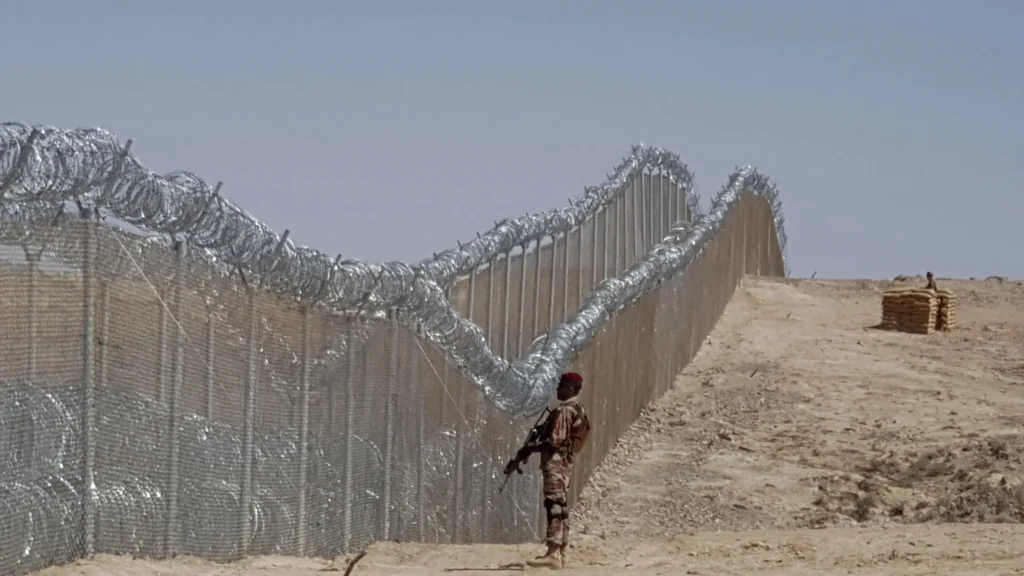
Saudi Arabia hosted secret talks between Pakistan and Afghanistan to reduce cross-border tensions, but no agreement was reached. Both sides maintained firm positions and showed little willingness to compromise. Sources said the closed-door session ended late Sunday without any breakthrough.
The Riyadh meeting included mostly the same delegations that attended previous talks in Istanbul. Pakistan’s team featured a diplomat from the Foreign Office, while Afghanistan’s delegation remained largely unchanged. Saudi officials suggested resuming bilateral trade alongside counterterrorism discussions, but Pakistan declined the proposal.
Read more: Stop trade with Pakistan, Afghan Taliban tells traders
The talks occurred while a separate Turkiye-Qatar-mediated track remains stalled. Earlier, Turkish President Erdogan announced plans to send a delegation to Pakistan, which has yet to materialize. That initiative had produced a fragile ceasefire in October, but it faltered due to ongoing terrorist activities.
Sources said another Saudi-hosted round of talks is possible in the near future. The Riyadh meeting was kept secret at Saudi Arabia’s request to avoid public pressure and political backlash. Both sides agreed to maintain discretion on outcomes and proceedings.
Read more: Pakistan rejects Afghan Taliban’s claim of airstrikes in Afghanistan
Observers say these talks signal continued regional efforts to stabilize Pakistan-Afghanistan relations. While progress was limited, diplomatic channels remain open, and mediators continue seeking a durable solution to cross-border security issues.